
Project Forge did not start with a pitch deck. It started with a lot of meals eaten standing up, next to trucks, in parking lots, at street corners. That background shapes every decision we make.
The city has a food truck culture that predates the trend. Vendors who have been parked on the same corner for decades, families who run their trucks the way their parents ran them. That depth of history is what Project Forge is built to support, not replace.
We spent time learning how vendors actually operate before writing a single line of code. What slows them down, what kills their margins, what a delivery partner would need to do to actually help rather than just extract a cut.
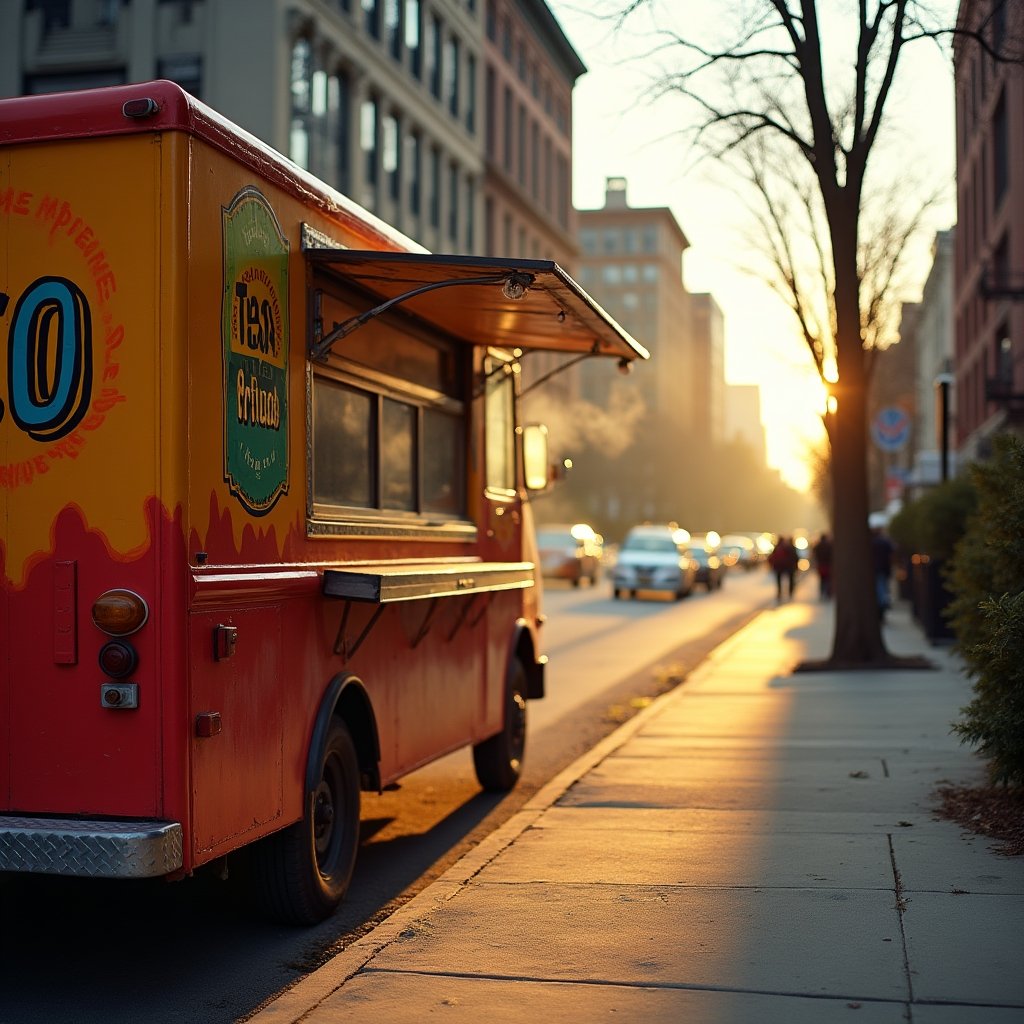 Where It All Started
Every platform decision gets evaluated through the lens of whether it helps or hurts the vendor. The vendor is the product. Without them, there is nothing to deliver.
Street food is meant to be fast. The delivery layer cannot add so much time that the food loses what makes it good. Our routing logic is built around this constraint.
Different neighborhoods have different food cultures. A platform that treats Chicago's Little Village the same as Lincoln Park misses what makes both places worth eating in.
We publish what we charge vendors. We explain our delivery fee structure to customers. Transparency is not a marketing claim here. It is how we actually run things.
Months spent visiting vendors, riding with delivery drivers, and mapping the friction points between a food truck and a hungry customer three miles away.
A small pilot with vendors along the 26th Street food corridor. Real orders, real problems, real feedback. The platform changed significantly based on what we learned.
The order routing, vendor dashboard, and delivery coordination systems were built with one goal: make it boring. Boring means it works every time without drama.
Project Forge is live in Chicago with plans to expand to additional cities as vendor networks develop. The work of building trust with vendors and customers continues daily.